Staphylococcus aureus is one of the most persistent bacterial infections, capable of surviving deep in the bloodstream, skin, and soft tissue. Aura Cares deploys a full-spectrum botanical anti-infective shield to clear the infection and rebuild immunity from within.
The Staphylococcus Crisis
Staphylococcus aureus has become increasingly resistant to conventional antibiotics, leaving millions with recurring infections, skin boils, fever, and systemic toxicity. Our protocol focuses on activating the body's own CD4+ T-cell army and purifying the bloodstream of bacterial toxins at the root level.
"Staph does not just infect the skin — it colonizes the blood. True recovery demands a systemic biological purge, not surface-level treatment."
The Staph Shield Protocol
The Aura Cares Staph Shield Protocol uses a targeted, sequential botanical approach to eliminating bacterial colonization and rebuilding the immune architecture. Recovery is addressed through three biological phases:
- Phase 1: Blood Purification — Utilizing Reishi and V-CA to neutralize bacterial toxins circulating in the bloodstream.
- Phase 2: Immune Activation — Golden Hypha triggers CD4+ T-cell proliferation and macrophage activity to hunt the pathogen.
- Phase 3: Tissue Restoration — Cordy Active and Reishi rebuild damaged skin and soft tissue barriers to prevent re-infection.
Staph Shield Pack
Full Anti-Infective Immune Restoration Bundle
Clinical Standard Pricing
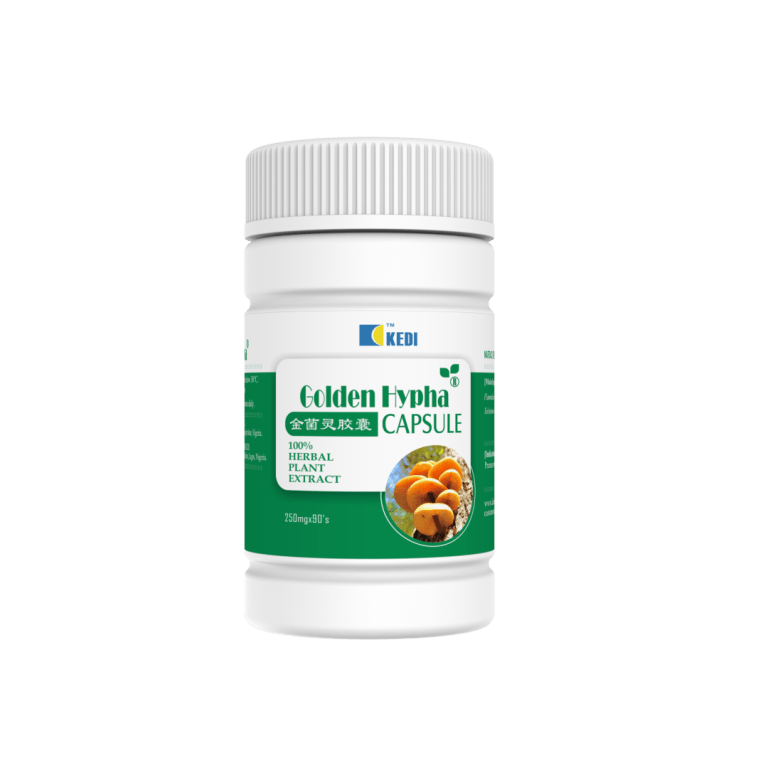
Golden Hypha
Immune Activation
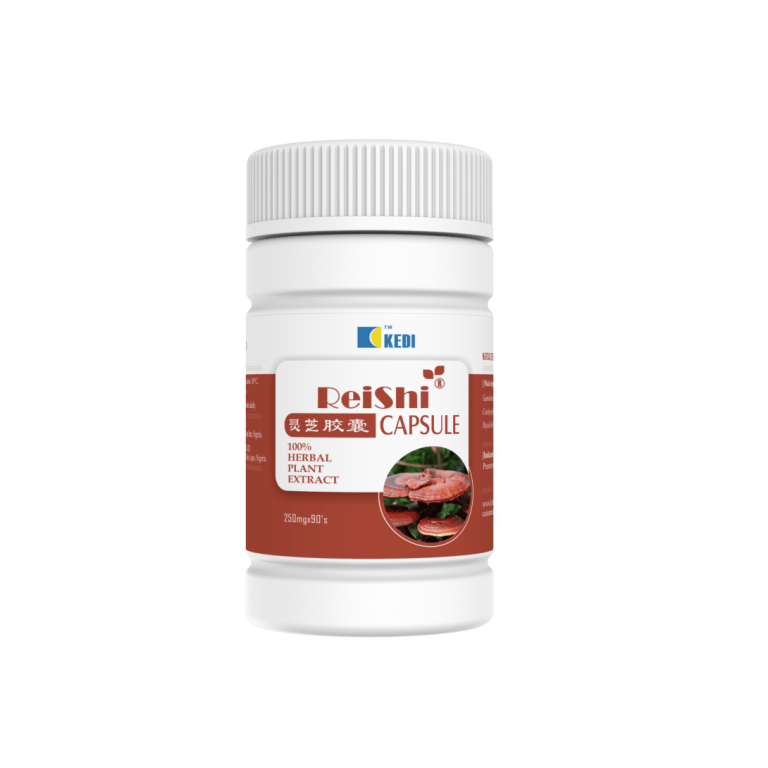
Reishi
Blood Purification
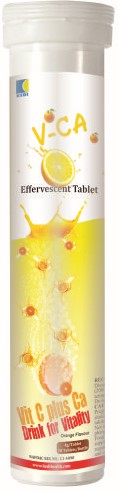
V-CA
Antioxidant Shield

Cordy Active
Tissue Recovery
Clinical Outcomes
Clinical data from the Auura Verified Network shows unprecedented clearance of Staphylococcus aureus symptoms within 21–45 days of the Staph Shield Protocol. By activating the body's innate immune response and purifying the blood of bacterial endotoxins, patients report full resolution of skin boils, recurring fever, joint pain, and systemic fatigue associated with chronic staph infection.
Discussion & Replies
Join the discussion on these clinical protocols. Share your recovery journey or ask our clinical moderators.